
Travel gives me the chance to meet people, listen to their stories, and understand how they see the world. From Europe and the United States to Russia and China, I am interested in everyday life; how people work, think, and adapt to change across urban and rural landscapes.
Seeing places firsthand helps me look beyond political narratives and form my own perspective. Cities and urban spaces, in particular, make Urban Geopolitics visible. They show how global dynamics shape daily life, social relations, and local realities.
For me, travel is about exchange and observation; learning from others, discovering the many beauties of our world, and recognizing what connects us across borders.
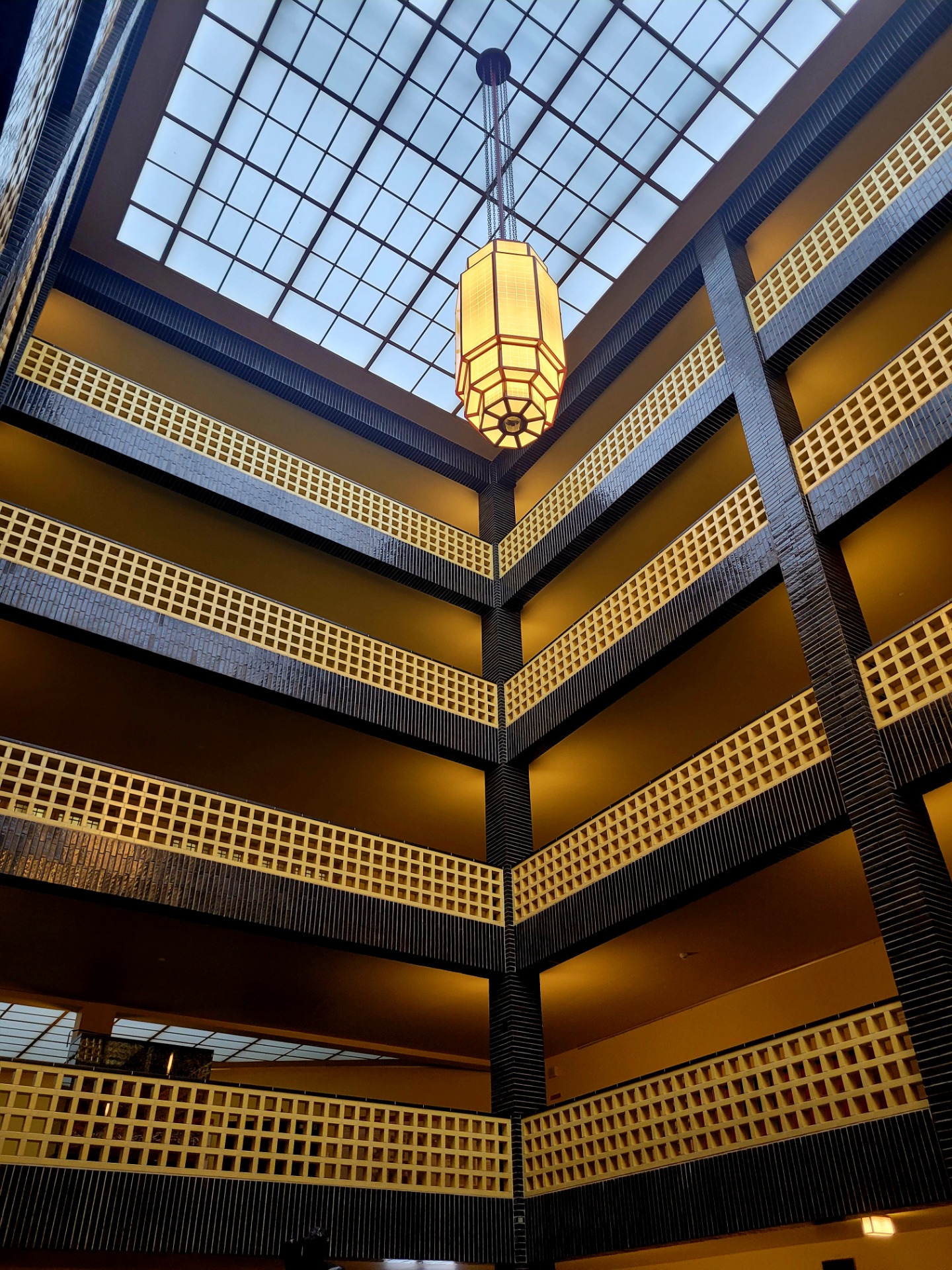
Urban Geopolitics: Berlin’s Lichthof; Clarity and Warmth
Warm light, clear structures and order define the Lichthof, the architectural heart of the Haus des Rundfunks.
The propaganda stagings once associated with this space feel far away today. History remains; yet the atmosphere radiates calm dignity rather than ideological orchestration.
Five floors rise upward; eight glossy black ceramic columns provide quiet strength. The iconic lamps hover like steady suns. Yellow brickwork bathes the atrium in golden light, regardless of the geopolitical climate outside.
While Hans Poelzig designed the Haus des Rundfunks as a landmark of modern broadcasting architecture, Marlene Moeschke-Poelzig, architect and sculptor of the classical modern period, played a decisive role in shaping the interior design of the Lichthof. Working with sculptural forms, ceramic elements and carefully balanced material contrasts, she created spaces that combine functionality with warmth and sensory depth. As a self-confident female architect in a male dominated field, she asserted an independent artistic voice at a time when recognition for women in architecture was rare. Her husband Hans Poelzig advocated strongly for her to receive independent commissions. A remarkable partnership in both artistic and personal terms. A true avant-garde power couple whose collaboration transcended convention.
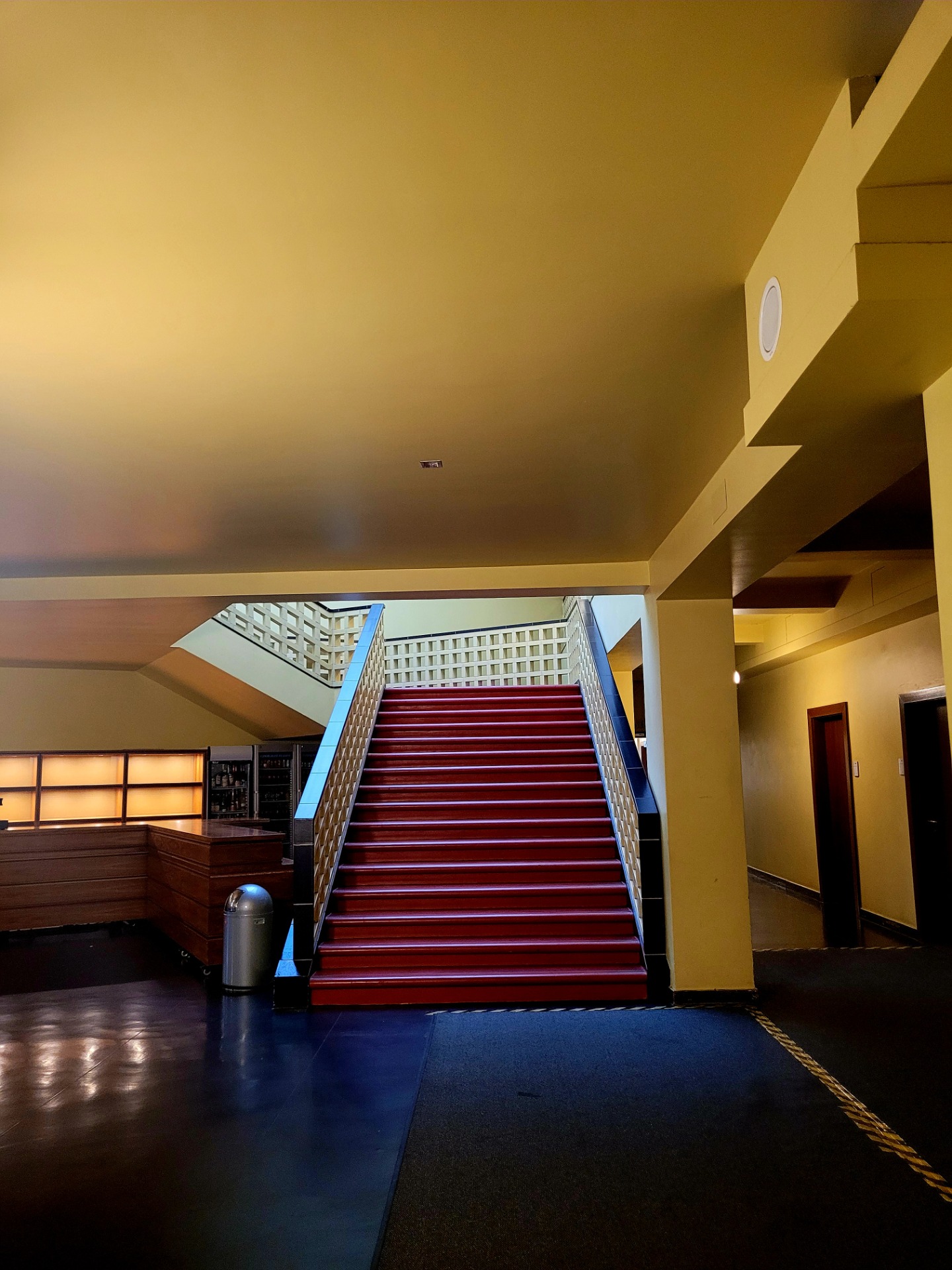
The Lichthof is both acoustic shield and central distributor; from here, corridors lead to all studios and offices.
I am fascinated; no street noise, only golden light, harmony and a rare sense of composure.
In geopolitical terms, the Lichthof symbolizes what a multipolar world requires; clarity without rigidity, warmth without naivety, structure without domination.
Just as Marlene Moeschke-Poelzig and Hans Poelzig embodied mutual respect and shared creative strength; geopolitics too requires equal and appreciative partnerships. A stable multipolar order can only emerge where all actors meet at eye level and combine structure with empathy.
A space where different voices resonate in balance.
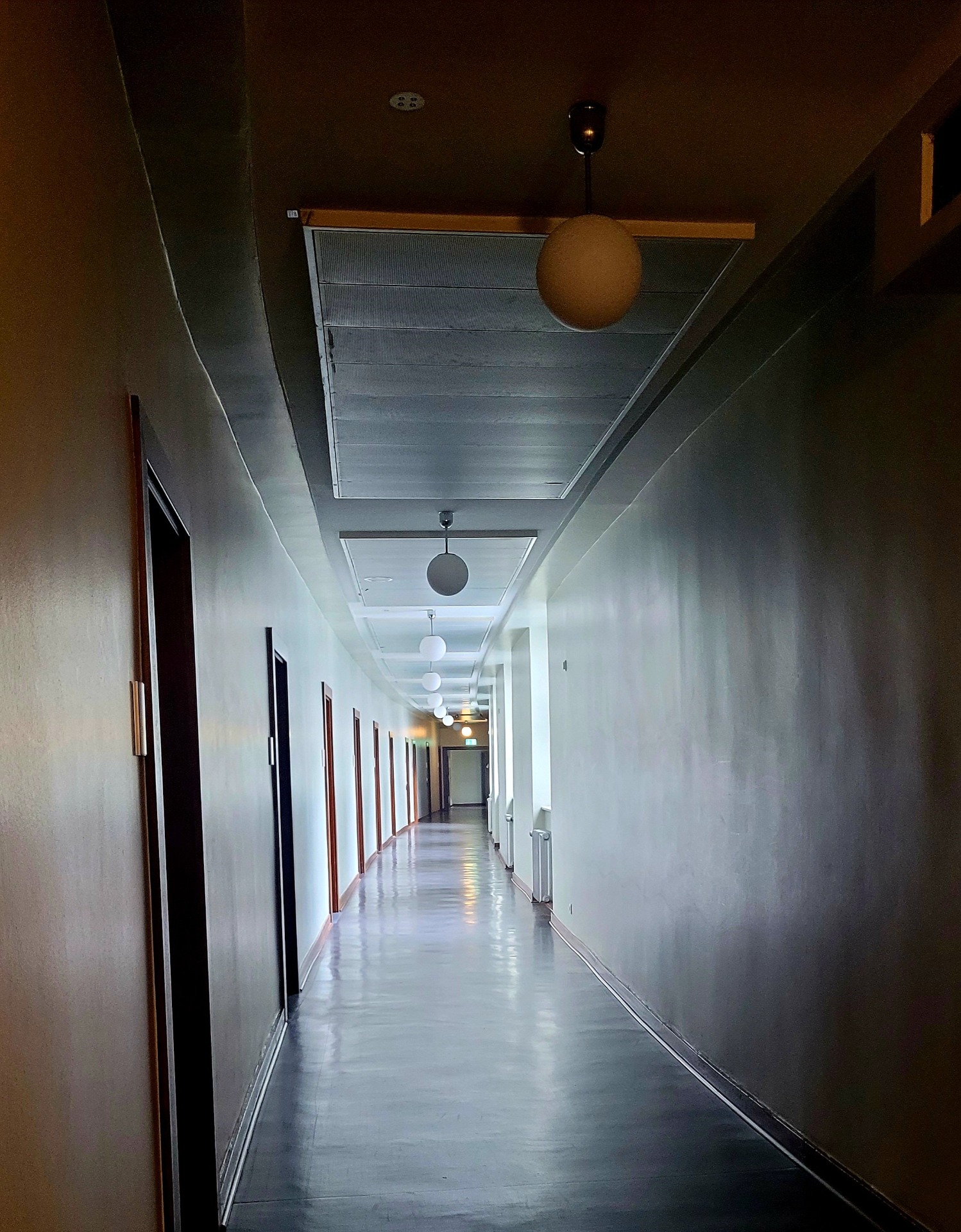
Urban Geopolitics: Structure and dialogue; Berlin's Haus des Rundfunks
The ceiling of the corridor in Haus des Rundfunks carries the same wooden panels I discovered in the Small Broadcasting Hall.
Once again, my imagination began to wander as I walked through this hallway. Who has passed through here; which debates; which decisions; which narratives?
Structure above; structure around; and within, vivid dialogue.
Geopolitics as communication is never neutral; it is framed, channeled and structurally embedded; always in motion.
Both are necessary; structure and dialogue. One must never replace the other; they must remain in harmony.
Even a corridor may reflect our world order in transition.
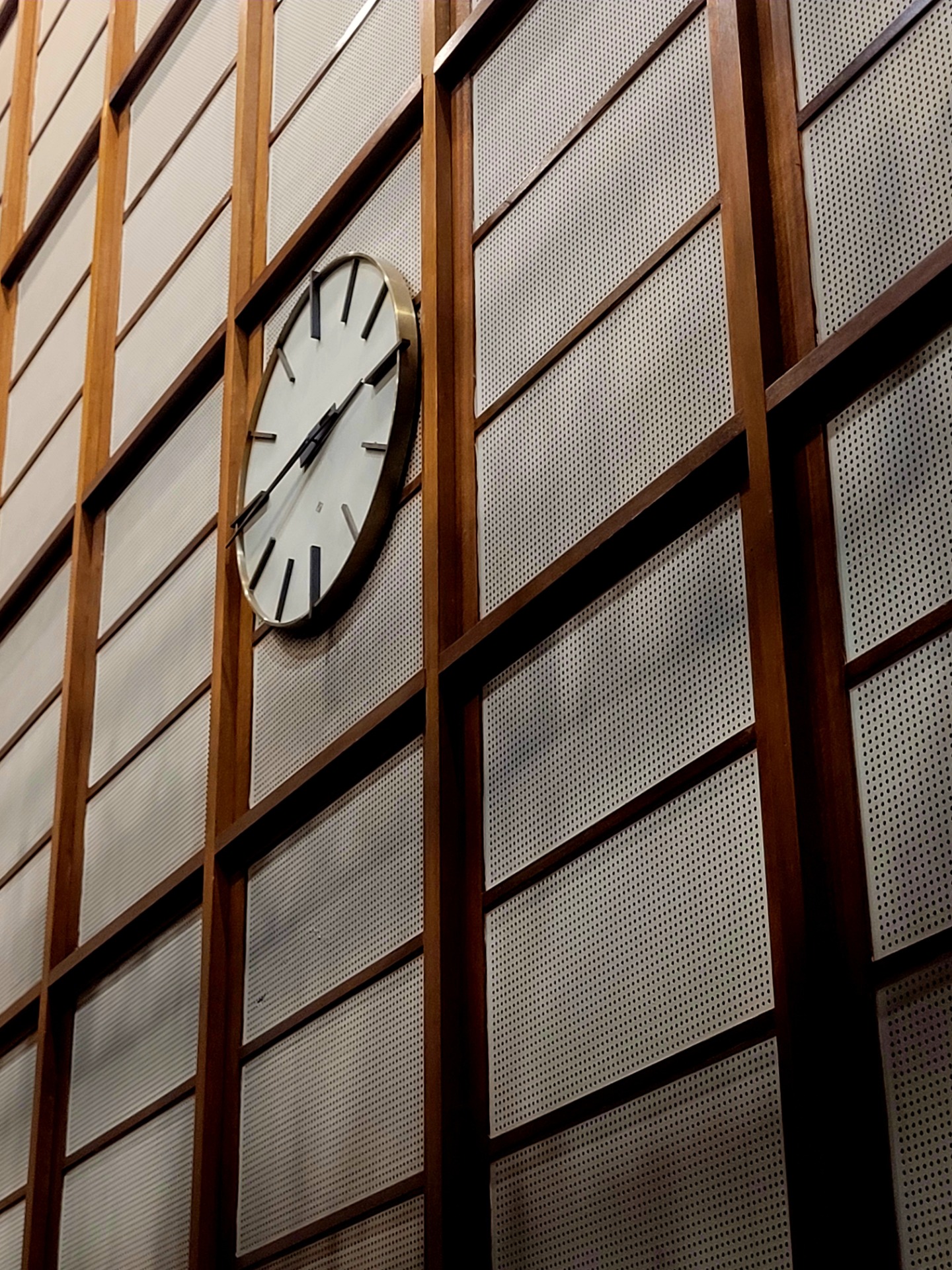
The silent clock; Time lingers
Standing time reveals the structural depth of geopolitical transition.
What appears as stillness is strategic compression; an old order recedes while a new configuration consolidates within the same space.
Power transformation is never absolute. It is negotiated, stratified and structurally embedded in its geopolitical expression.
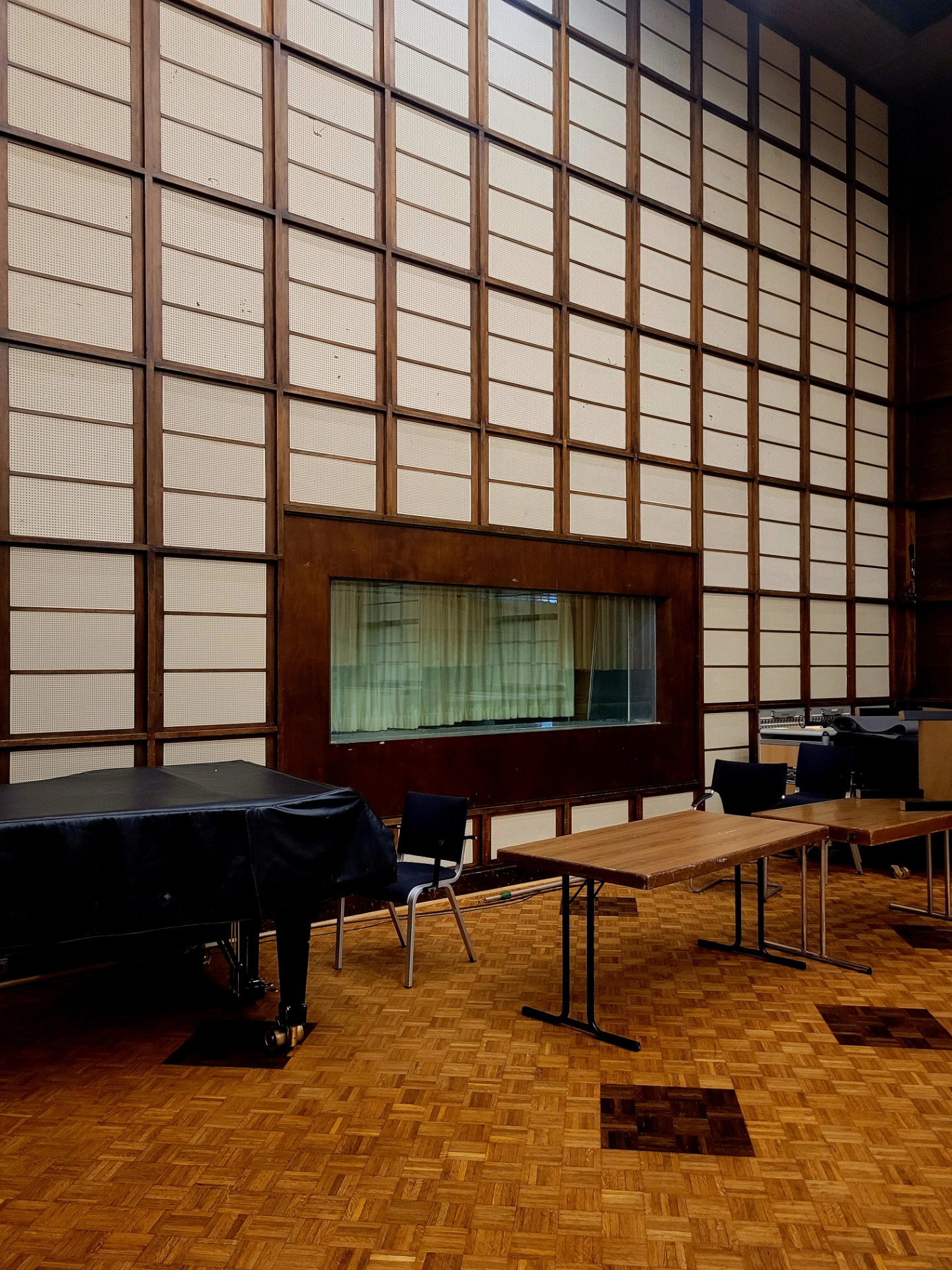
Urban Geopolitics: Power and Time; Warm Acoustics and a Silent Clock at Berlin’s Haus des Rundfunks
The Small Broadcasting Hall in Berlin’s Haus des Rundfunks remains internationally renowned for its extraordinary acoustics. The antique wooden wall panels can still be adjusted depending on whether a choir or chamber ensemble performs. Even today, they ensure optimal sound quality. The room is warm in tone; precise in structure; almost timeless in presence. I stand there, fascinated, absorbing the atmosphere of this historic space.
The hall is also equipped with curtains. It is said that during the period when the Haus des Rundfunks stood on what was known as the “Red Island,” soldiers of the Red Army slept in this very room. History lingers quietly between wood and fabric.
Legends and myths surround the large wall clock. At some point, it stopped. Was it a technical defect? A bullet? No one knows.
Once again, my imagination begins to wander. I picture the soldiers making themselves as comfortable as they could. Did they speak of home? For a brief moment, the hall shifts from abstraction to human presence.
The harsh postwar winters left their mark. Some of the wooden panels were used as firewood for heating. The soldiers eventually withdrew. Later, careful restoration began. Missing panels were meticulously reconstructed in their original form. The clock, however, remained untouched. The myth endured.
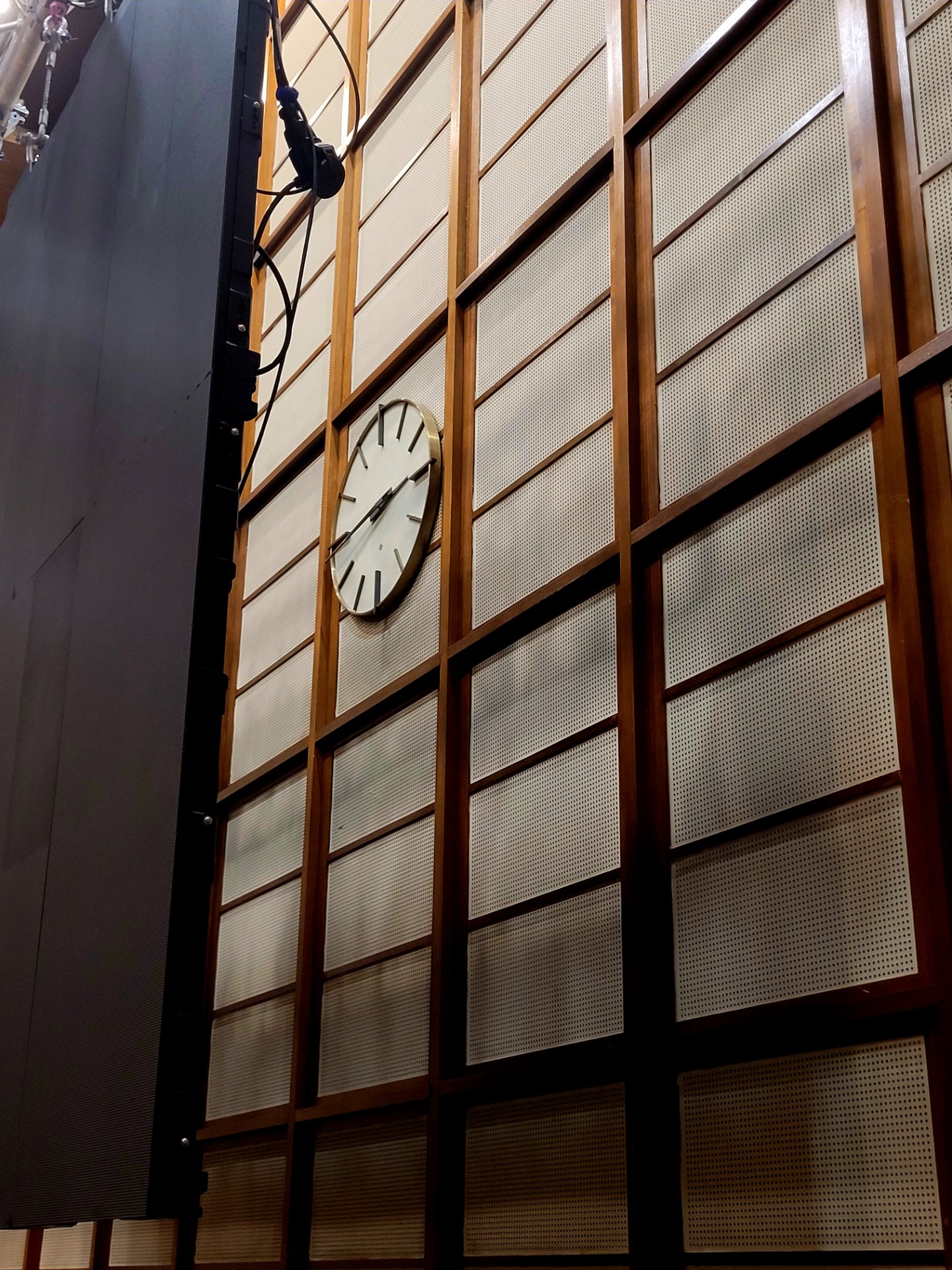
This is where urban geopolitics becomes tangible.
Landscapes and cities such as Berlin are archives of power transitions; occupation; ideological confrontation; reconstruction; narrative control. The Haus des Rundfunks embodies Germany’s 20th century fractures and Europe’s contested memory space between East and West.
In today’s multipolar world, questions of narrative sovereignty resurface. Who interprets history? Who defines liberation; occupation; reconstruction? Which memories are amplified; which remain silent?
The silent clock in the Small Broadcasting Hall becomes more than an anecdote. It represents stehende Zeit; standing time; a visible interruption in the linear flow of history. Between occupation and reconstruction; between Cold War binaries and emerging multipolar realities. Time does not simply pass. It lingers.
Today, the Small Broadcasting Hall continues to host concerts and radio recordings. Warm acoustics fill the room once more. Yet the clock remains; a reminder that power leaves traces; and that history, even when silent, continues to shape the present.
In one room; power and time converge. Warm acoustics return and the clock remains.
Berlin’s Haus des Rundfunks becomes what it has always been - a space between.
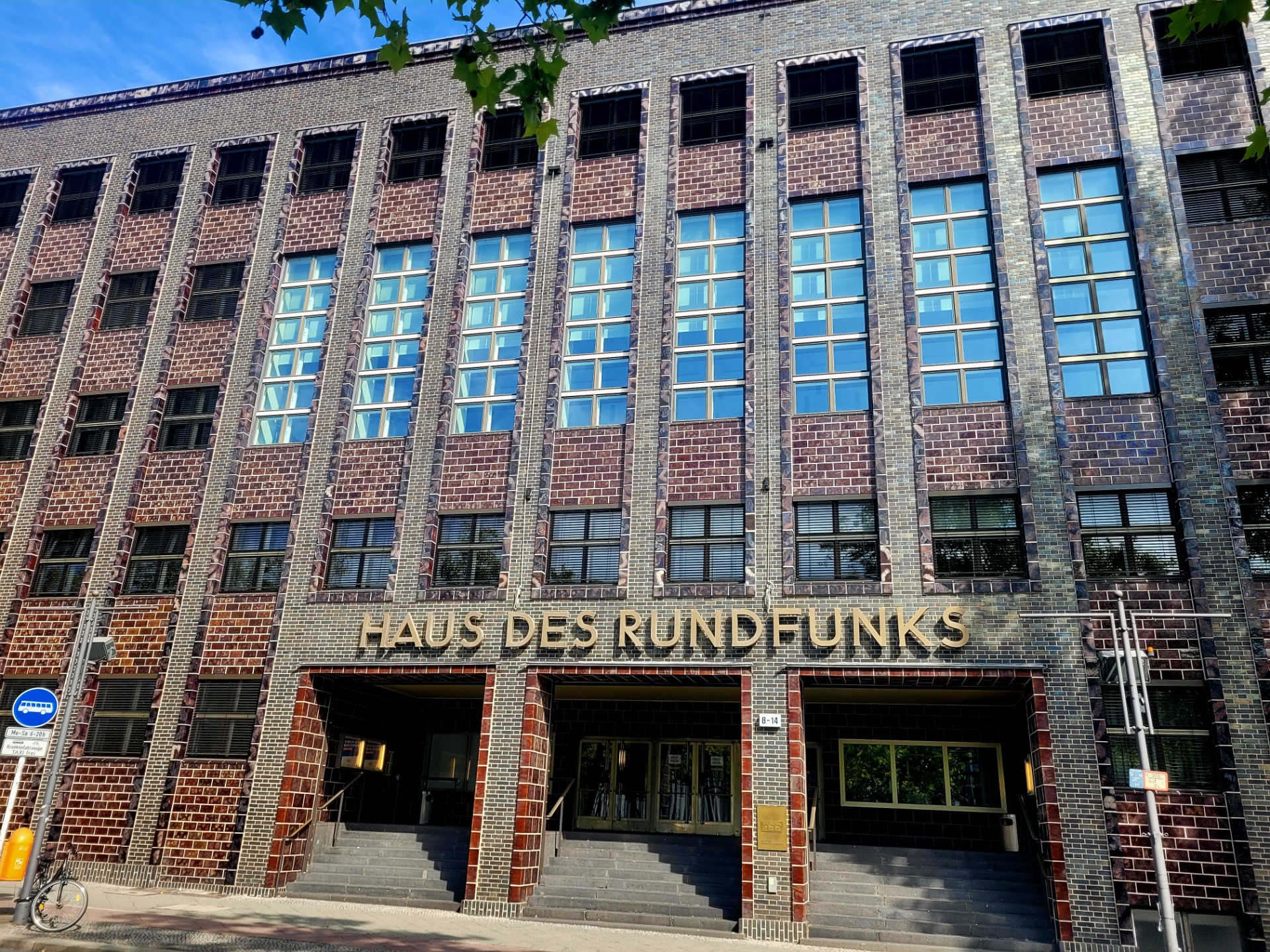
Urban Geopolitics: Berlin’s Haus des Rundfunks – A Cold War Story of Power and Sound
"Who is sitting in Goebbels’ office now?”
“That no longer exists. It is now part of an open plan office,” I was told, slightly annoyed. I smiled inwardly; already hearing the familiar chorus of my critics whispering: “There she goes again with her questions.” Touché.
Designed by Hans Poelzig in the style of “Neue Sachlichkeit” and built between 1929 and 1931, the Haus des Rundfunks stands like no other broadcasting building as a symbol of radio history. In 1933, the Nazi regime took control and Joseph Goebbels moved into his office as "Reich Minister for Propaganda and Public Enlightenment”. From 1939 to 1945, the building served as the headquarters of the Großdeutscher Rundfunk; all regional stations had lost their independence.
After the end of World War II, although located in the British sector, the building was occupied by the Red Army. The Soviets controlled the Berliner Rundfunk; a "Red Island" in divided Berlin. It was finally returned in 1952. Stripped bare and deserted, it became known as the "House of Silence" until renovation work began in 1956. From 1957 to 2003, Sender Freies Berlin broadcast from here, and since 2003 under the name rbb.
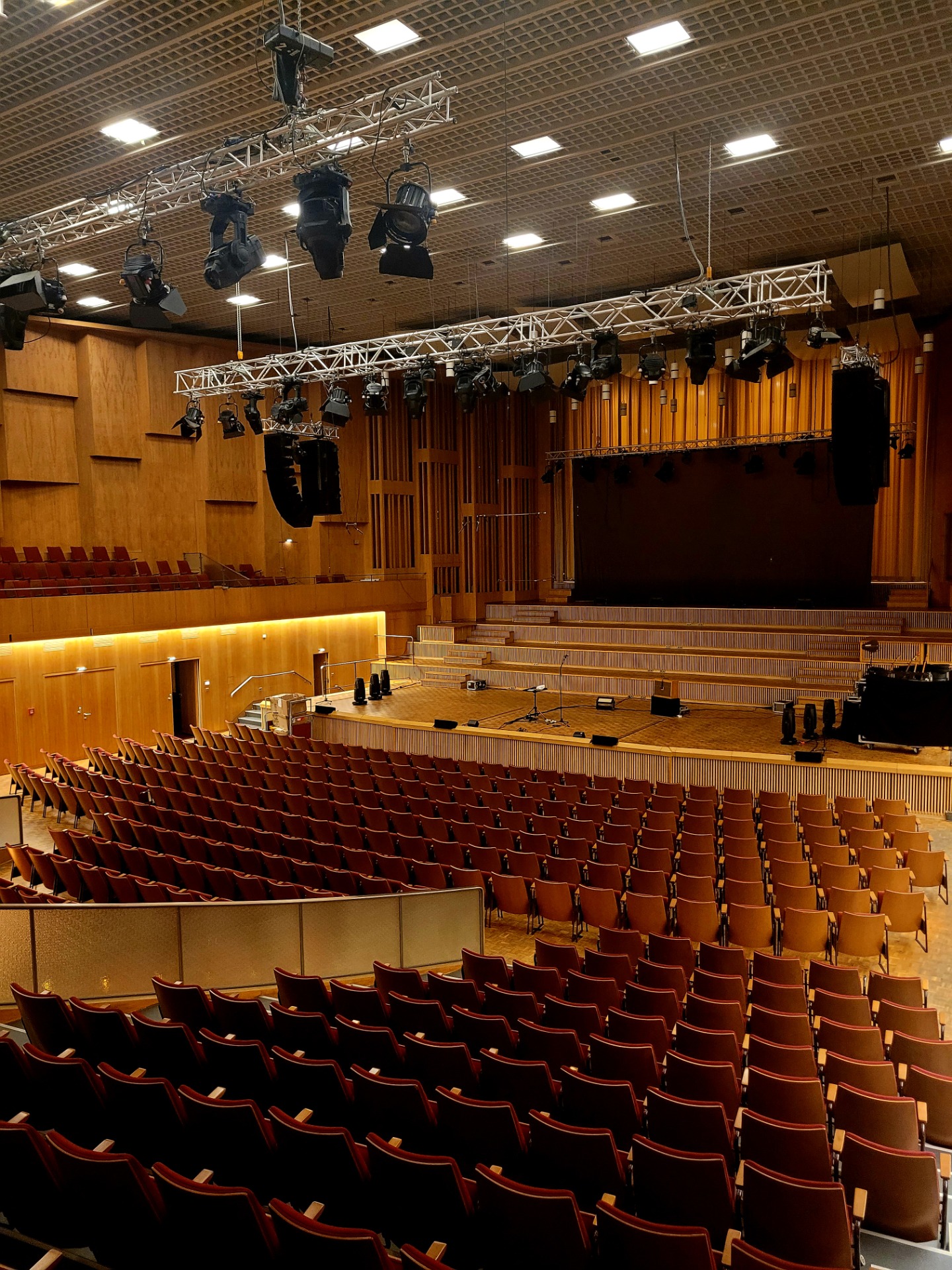
With its acoustics that remain remarkably modern to this day, the legendary Great Broadcasting Hall of the Haus des Rundfunks continues to enchant audiences worldwide with concerts and beautiful music transmitted from Berlin.
The legend lives on. Once caught in the Cold War power struggle; once a Red Island, once the House of Silence. Out of silence, language and music finally found their voice again. The Great Broadcasting Hall continues, steadfast and unshaken, to write new musical stories and to move people just as it did decades ago.
No matter how the geopolitical landscape evolves; music endures. It remains a shared human experience that gives strength and joy in both good times and difficult times; connecting countries and peoples across the world beyond any propaganda.
So turn up the music; let it rise; and let us dance.
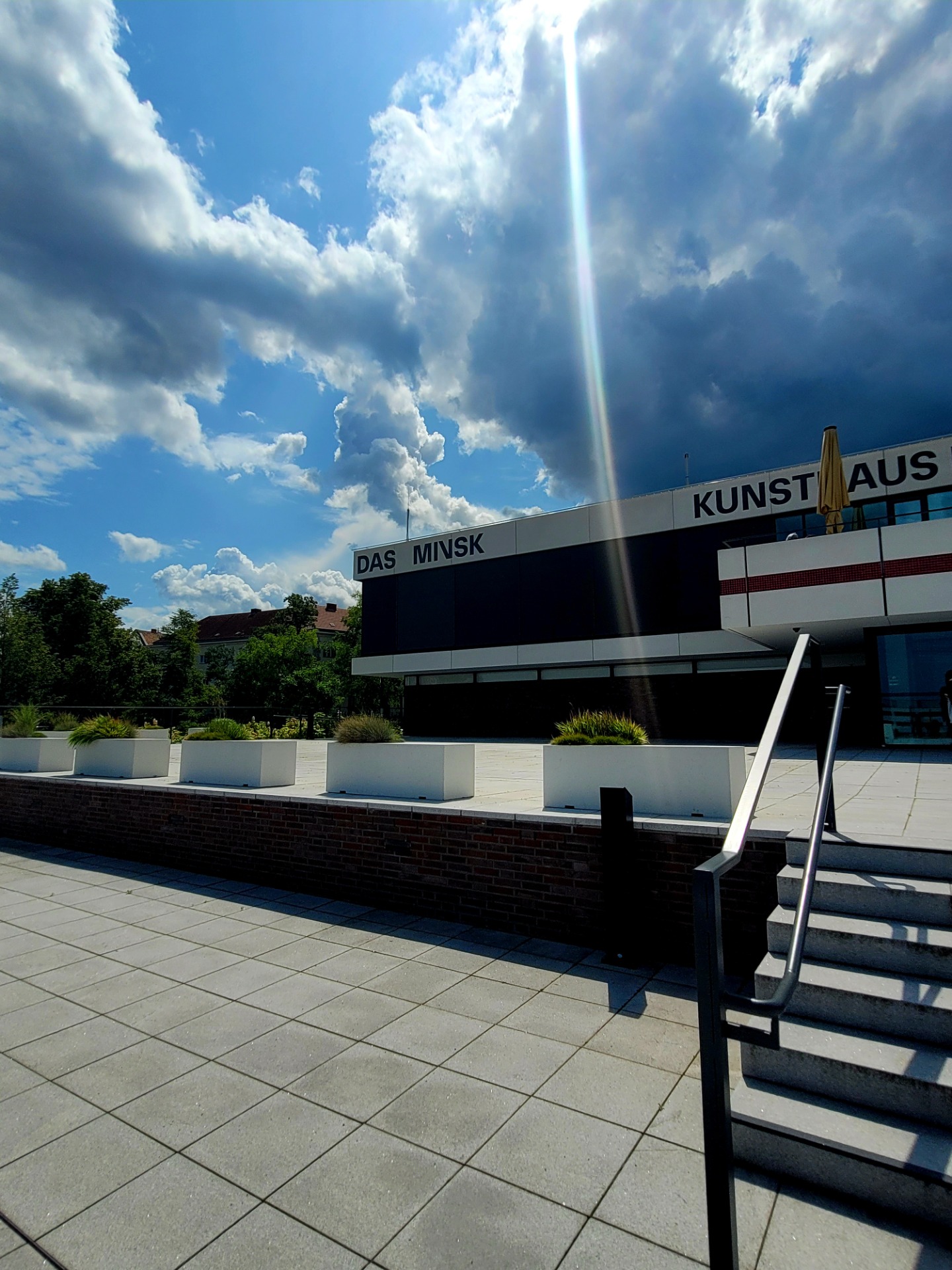
Urban Geopolitics, Lively Discussed: Potsdam’s Lived and Experienced Fault Lines
From the legendary terrace restaurant “Minsk” of the 1970s to today’s “Minsk Kunsthaus”. Once a place of numerous family celebrations, it later fell into decay and ruin. The “Minsk” became the subject of fierce debates over the preservation of GDR architecture and East German modernism, the “Ostmoderne”. It ultimately reopened as a space for contemporary art.
It is not just a few places, but a dense urban landscape that allows urban geopolitics to be experienced firsthand. Potsdam brings together the Prussian legacy of a former royal residence city; “Sanssouci Schloss” as a symbol of Enlightenment and power; the controversial reconstruction of the tower of the “Garnisonkirche” which now hosts a bridge-building exhibition fostering dialogue in mutual respect, reflection, and critical historical awareness; an exhibition that deeply impressed me.
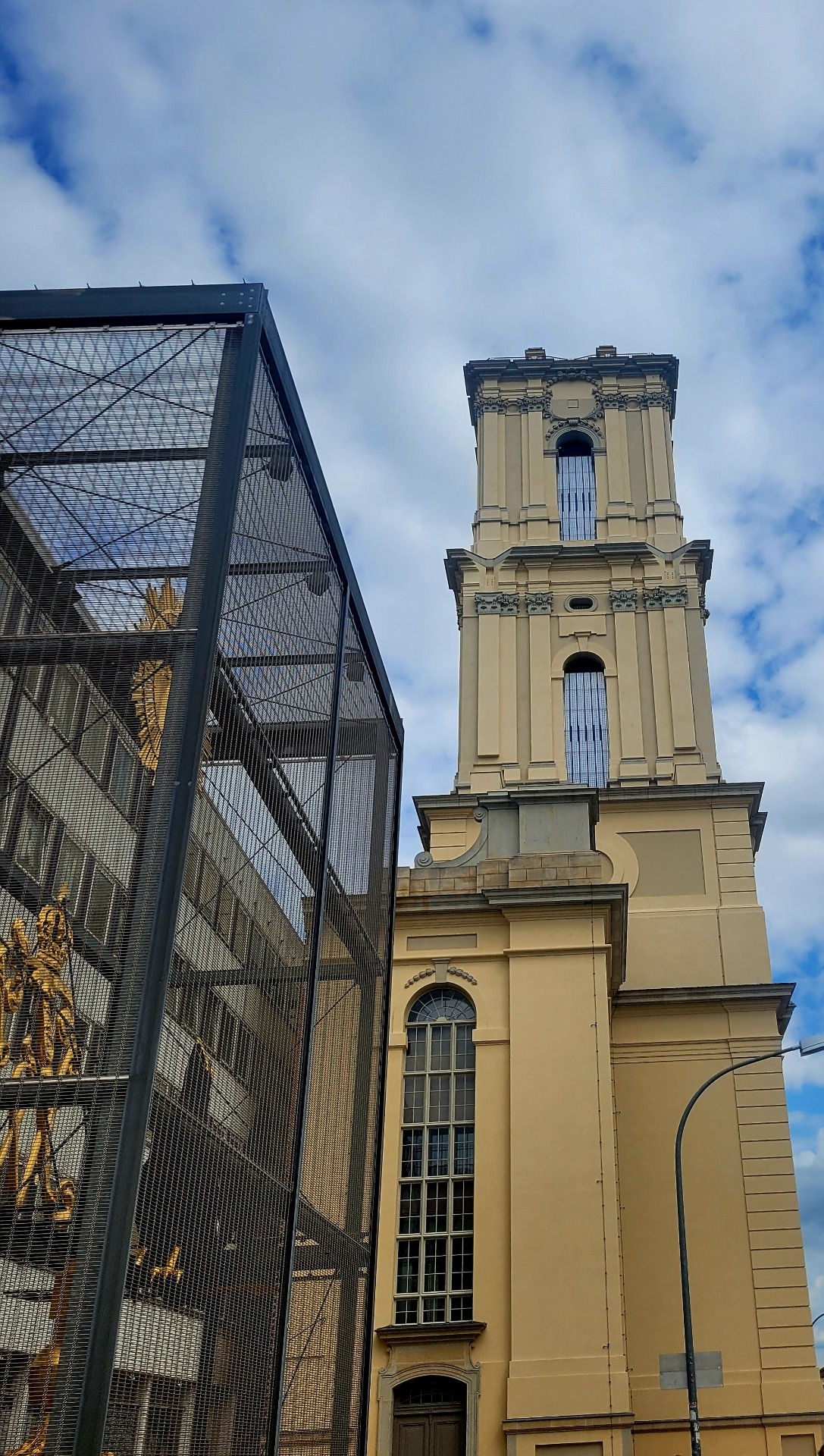
And nearby, the former Rechenzentrum Potsdam. Once a VEB for Mechanical Data Processing and today a vibrant art and creative hub. It is located on the historic foundations and grounds of the former nave of the "Garnisonkirche", which was destroyed during the war and later deliberately demolished in June 1968.
On its façade, the listed mosaic cycle “Der Mensch bezwingt den Kosmos” still embodies witness to socialist visions of progress, technology, and humanity’s place in the universe.
Potsdam’s urban geopolitics shows that the facets of German history find their rightful place here; not erased, not harmonized, but actively lived and negotiated through lively and heated discussions.
These fault lines are not spaces of division, but spaces of dialogue, memory, and new beginnings. They point towards an open and peaceful way of navigating geopolitics within urban spaces and landscapes.
Urban Geopolitics: Berlin’s Symbols of Strategic Connectivity in a Multipolar World
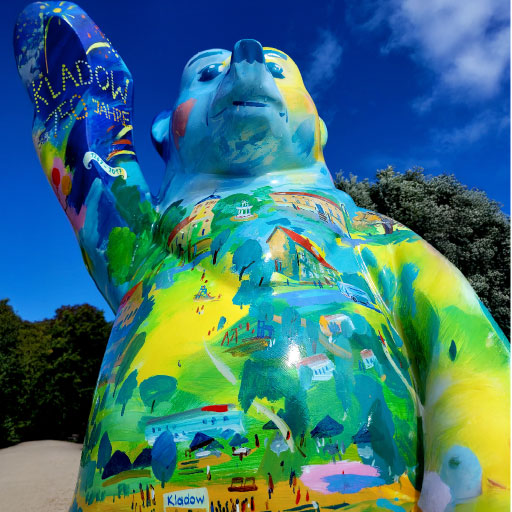
One of my favorite places in Berlin is the ferry terminal in Kladow. The Havel flows calmly; a cheerful Berlin bear stands nearby; beer gardens are filled with quiet conversations. Everyday life unfolds almost rurally.
At first glance, places like this seem far removed from politics, conflict, and the global order. Yet they reveal Berlin’s hidden charm and remind us what geopolitics ultimately serves; peaceful everyday life, continuity, and social calm.
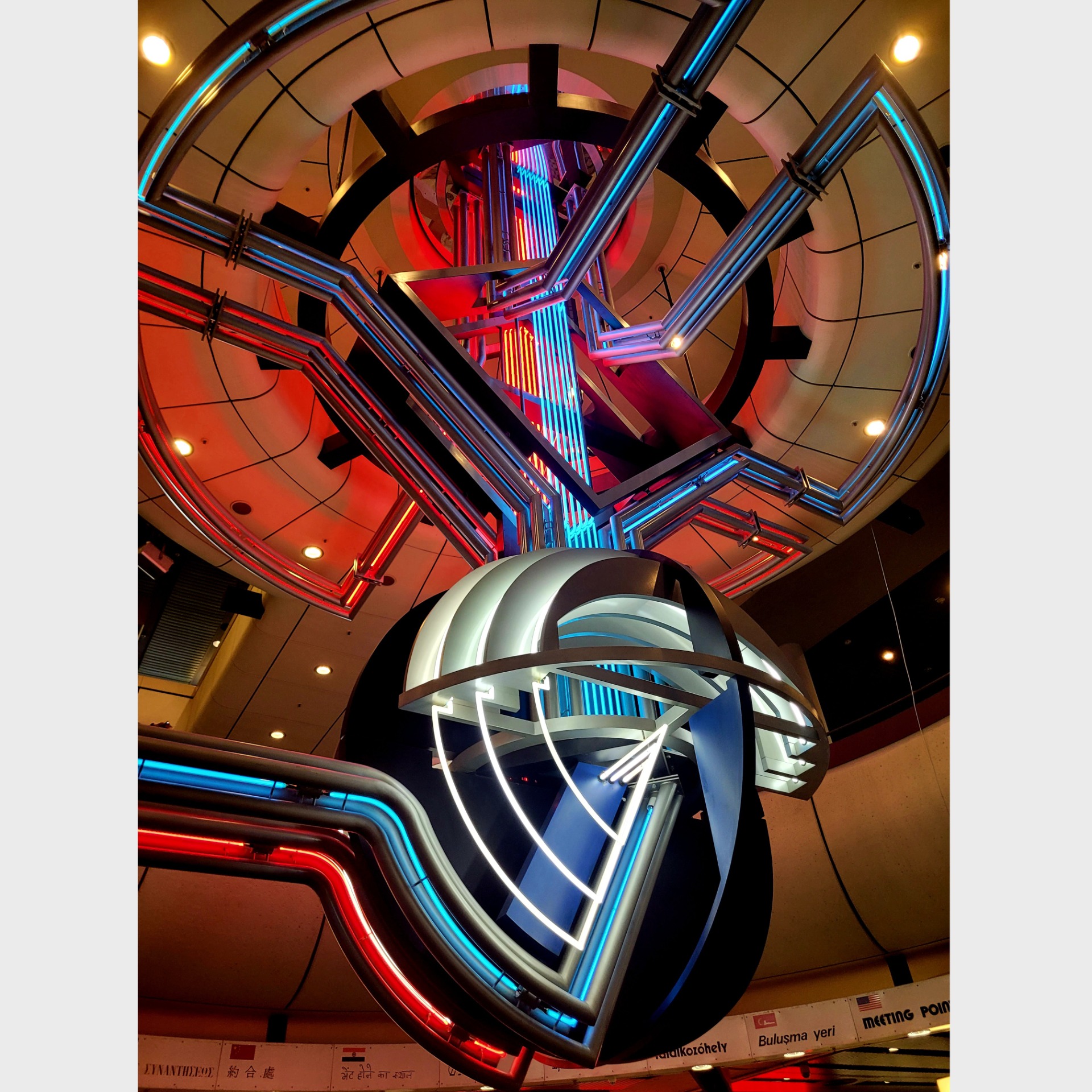
A short distance away, the International Congress Center tells another story. For 49 hours, the iconic “ICC spaceship” opened its doors. Futuristic red and blue light installations transformed the building into a journey through space and time. Once a symbol of international exchange, “the Brain” once again became a meeting point for visitors from around the world.
From Kladow’s quiet everyday symbols to the ICC, Berlin’s history of division gives the city a unique authority to act as a bridge. Berlin understands rupture and reconnection. It knows what it means to live with geopolitical fault lines and to overcome them.
It will take time. Yet the ICC is already re-emerging as a symbol of strategic connectivity, international dialogue, and cultural diplomacy, pointing toward a meaningful future in a multipolar world. Multipolarity does not erase the human dimension of geopolitics. It challenges cities like Berlin to protect calm, connection, and social cohesion amid global change.
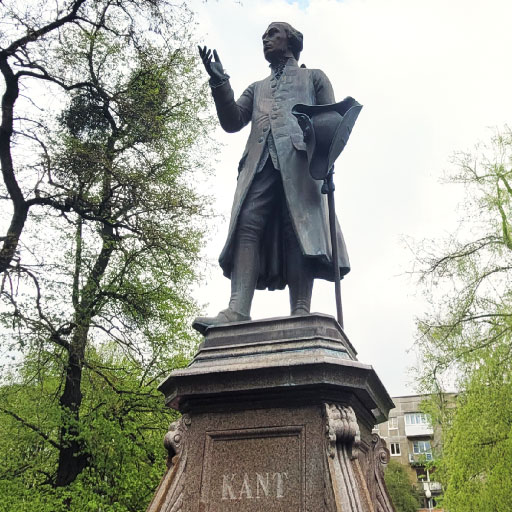
Königsberg without Kant would be simply unthinkable. In 1864 the Kant monument was erected on Paradeplatz in Königsberg, the very square where my grandfather once had to line up for parade. After the turmoil of the war, the monument disappeared. A fundraising campaign was launched on the initiative of Marion Gräfin Dönhoff, and the Berlin sculptor Harald Haacke created a replica of the original statue. Since 1992 Kant has once again presided over Paradeplatz, opposite the Immanuel Kant University, formerly the Albertus University.
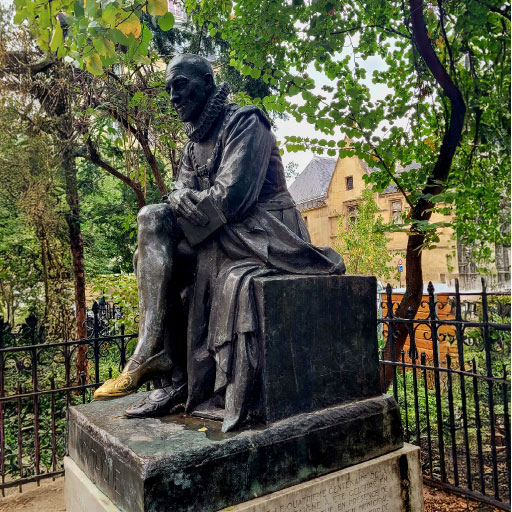
“Salut Montaigne” — Opposite the Sorbonne on Rue des Écoles sits Montaigne, perfectly at ease. According to tradition, touching his right foot during exam season brings good luck. And yes, it has worked wonderfully for me as well.
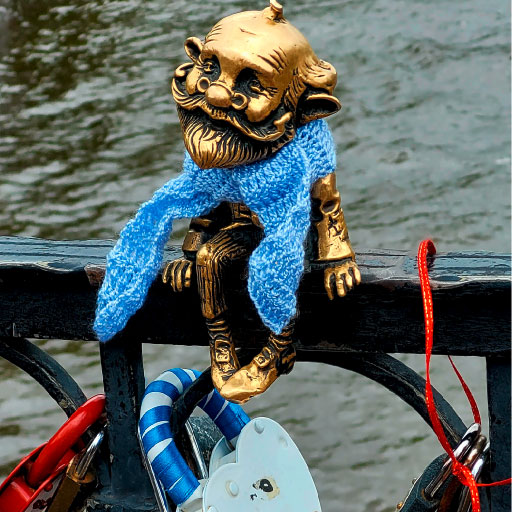
With little Grandfather Karl sitting on the Honey Bridge, the Königsberg Homlin family returned in 2018. Grandmother Martha reappeared in the Amber Museum like a gentle memory. Soon came “Witja” and “Ulja” and then Papa “Leo Homlin”. These tender household spirits live hidden among us and quietly bring good fortune to those who believe in them.
Homlins give shape to amber treasures and a few of them have already found a home with me. And in their own timeless way, more amber wonders are certain to find their place in my home.
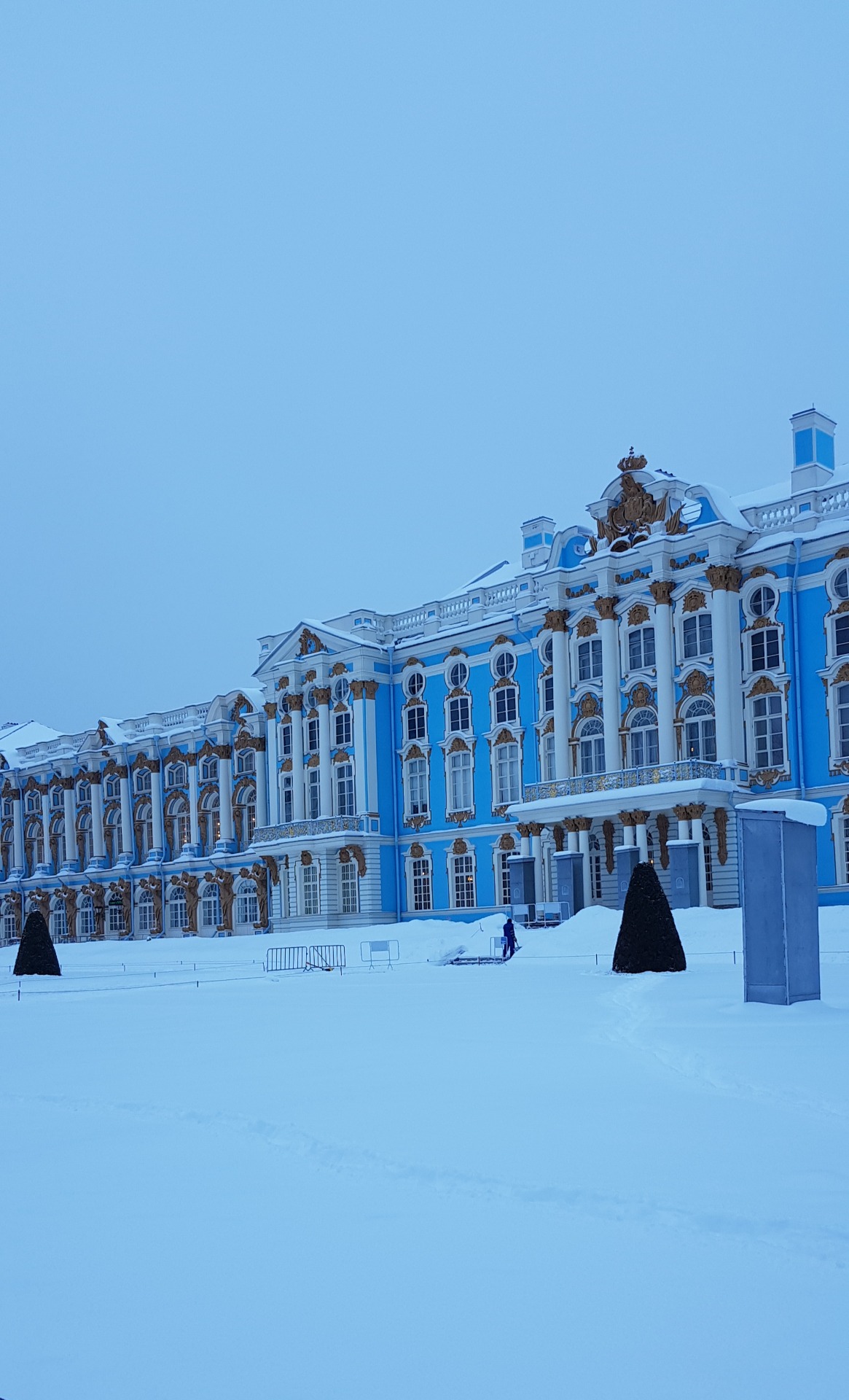
Outside lies a breathtaking Russian winter landscape at the former summer residence of the tsars in Pushkin, about 25 kilometers from St. Petersburg. Inside, the reconstructed Amber Room shines once again in its old splendor and magnificence. Originally located in the Berliner Stadtschloss, from Frederick William I presented as a gift to Tzar Peter the Great, the amber room was installed the Catherine Palace in Pushkin.
In 1941, the Amber Room was dismantled by the Wehrmacht and taken to the Königsberger Schloss.
From 1944 onward its trail vanished, and numerous mysteries surround its fate: Was it burned in Königsberger Schloss, sunk with the refugee ship Gustloff, or packed into crates and stored in several hidden locations across Germany? The final assumptions seem to the most plausible, as a small amber chest belonging to the Amber Room was discovered in an attic in 1997. Today, it can be admired in the reconstructed Amber Room.
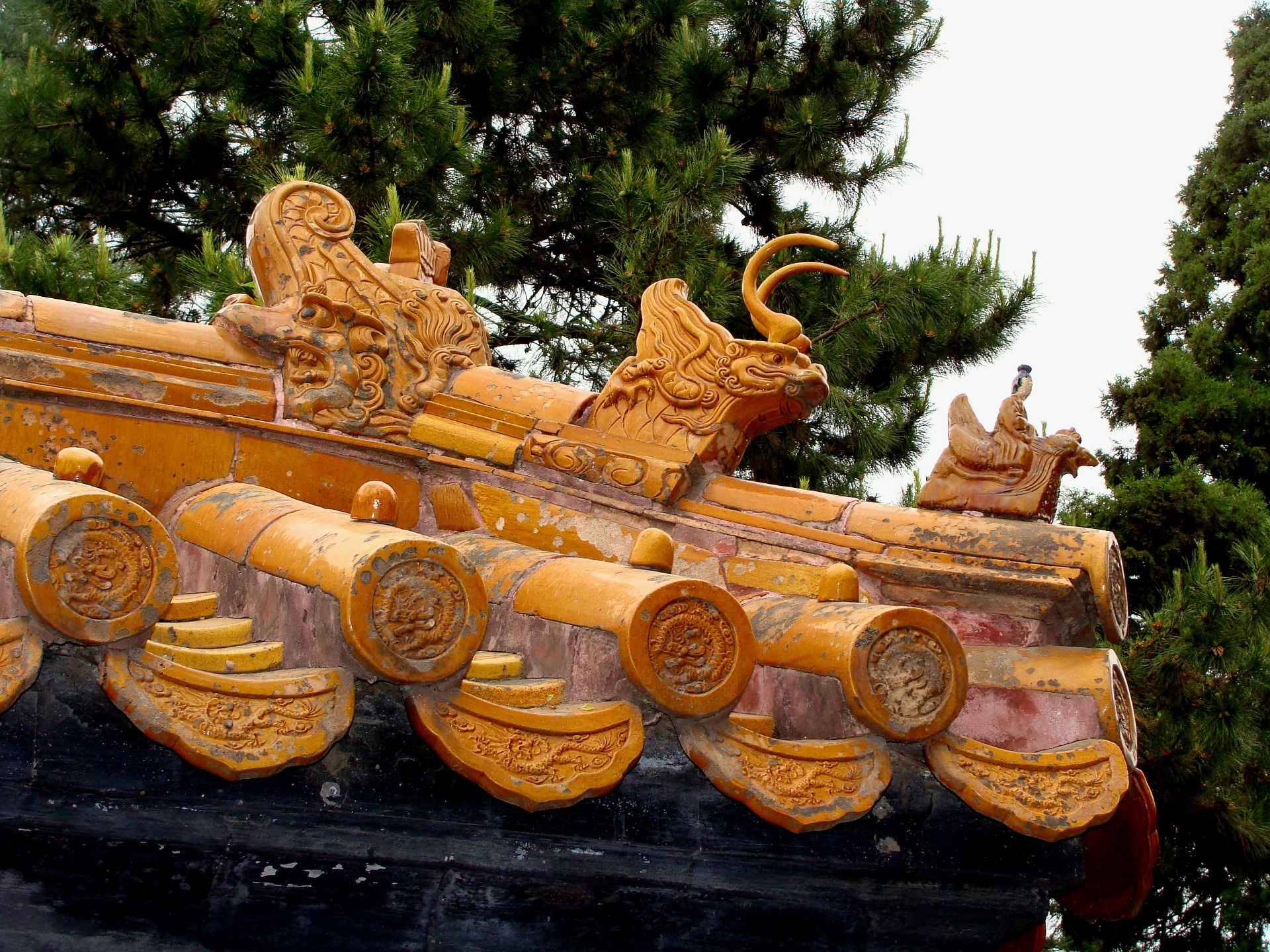
Urban Geopolitics & the Dragon Horse
In Chinese mythology, the Dragon Horse is a symbol of strength, wisdom and heavenly mandate. It unites two powerful forces: the grounded dynamic motion of the horse and the visionary energy of the dragon.
Thus, the Spirit Dragon Horse stands for a new geopolitical mindset.
Continuity; trade routes and connectivity. Economic interdependence remains the backbone of global stability. Supply chains, energy corridors and digital networks tie continents together, whether politics acknowledges it or not.
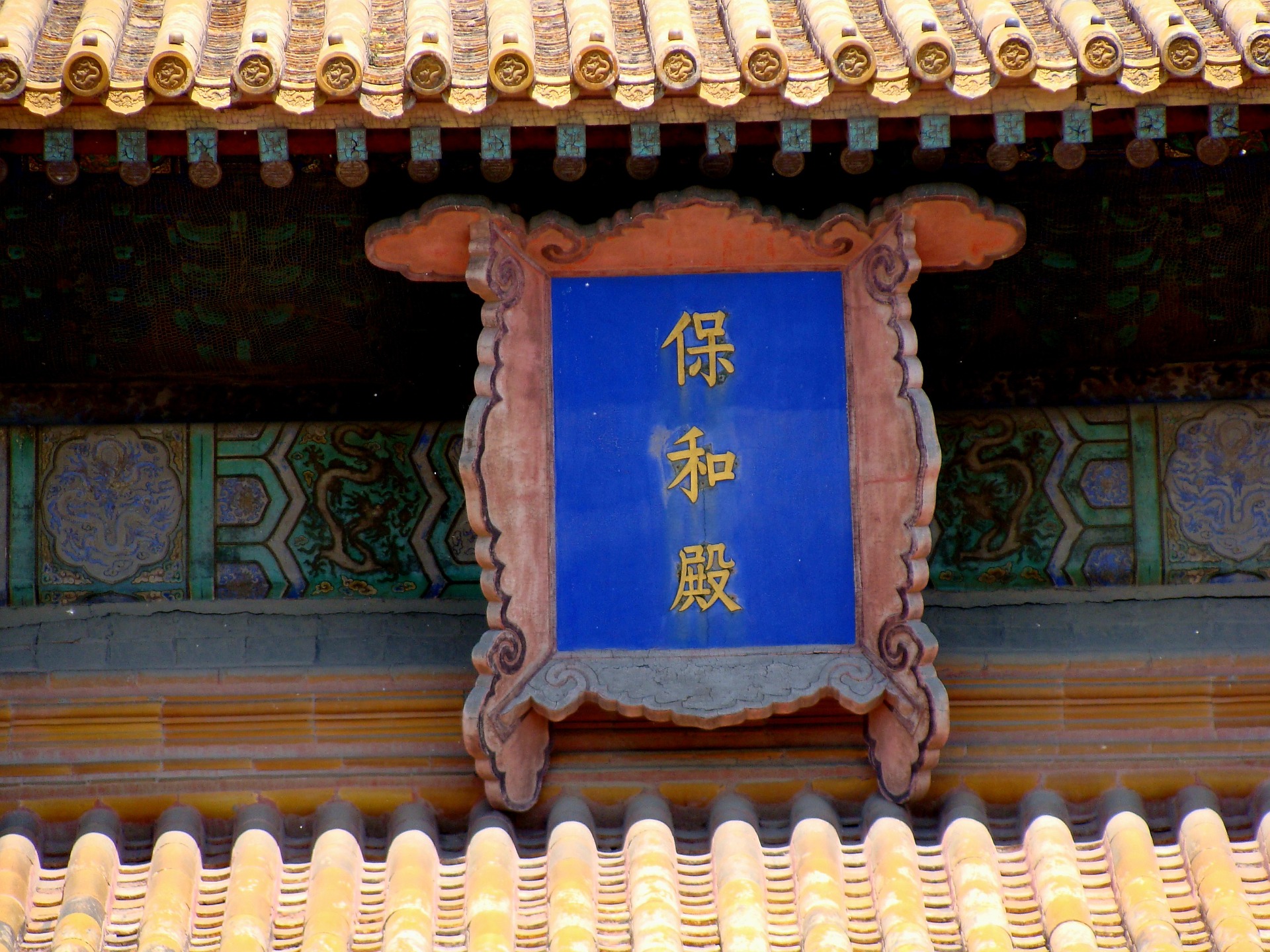
History, culture, strategic imagination and spiritual identity shape geopolitical behavior just as much as material interests do.
Geopolitics is never only about territory and resources. It is also about memory, perception, culture and identity.
A multipolar order requires more dragon vision and horse discipline; combined, they generate balance, resilience and strategic patience.
The Dragon Horse is moving forward, as we all are. We need to understand the direction, keep the balance and ride it wisely.
May we all embody the spirit of the Dragon Horse.
龙马精神
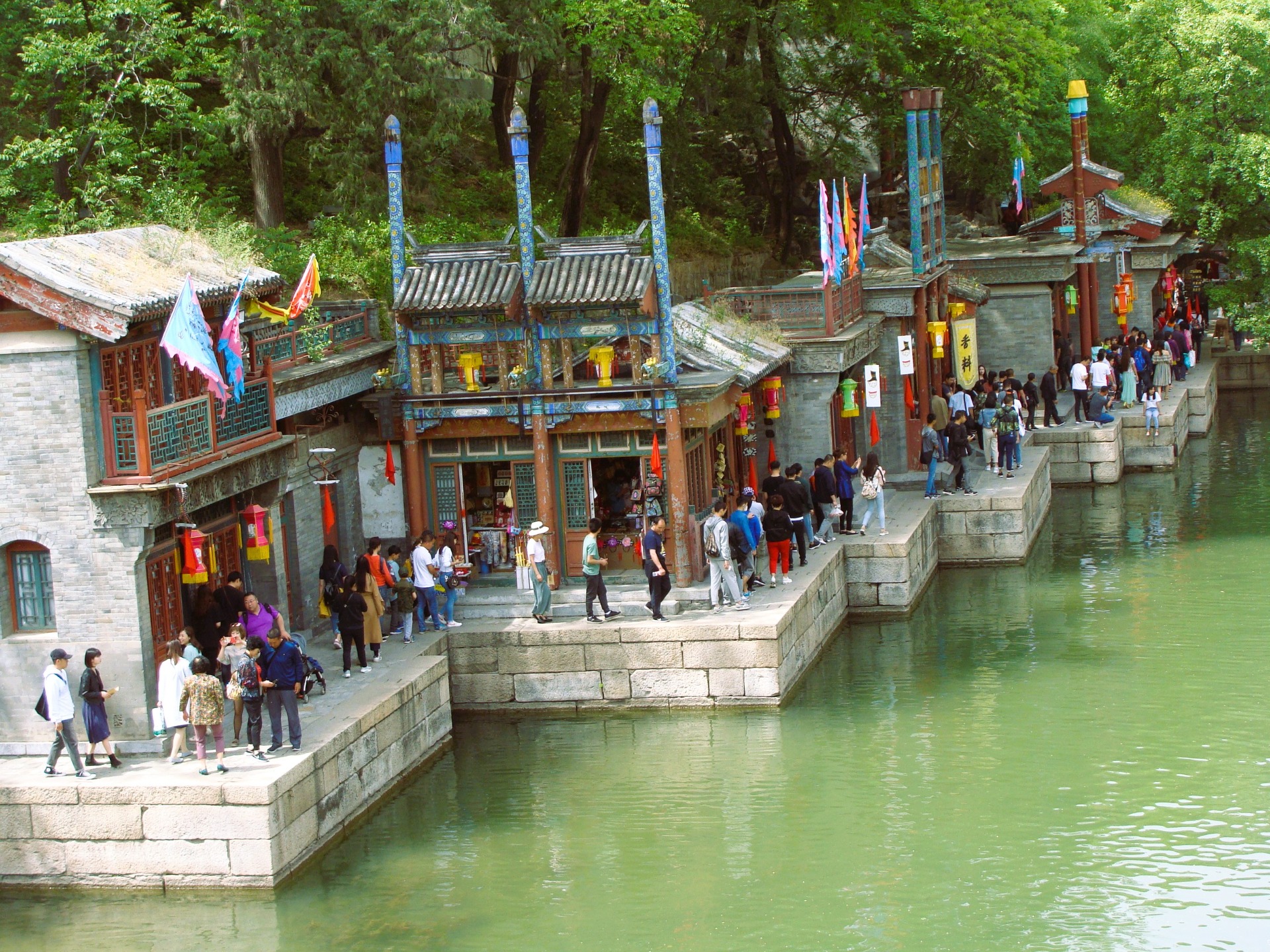
Geopolitics and the Art of Keeping Out Evil Spirits
In China, the unseen world is richly populated. Benevolent spirits move quietly alongside hungry ghosts and spirits without a fixed abode, lingering at the margins of existence; invisible, yet never without consequence.
Tradition offers ways to deal with them. Evil spirits, it is said, can move only in straight lines. That is why bridges and pathways are built in zigzags, confusing those unable to bend or adapt. Where no such bridge exists, a low threshold will do. Evil spirits have no knees; they cannot bow. They turn away.
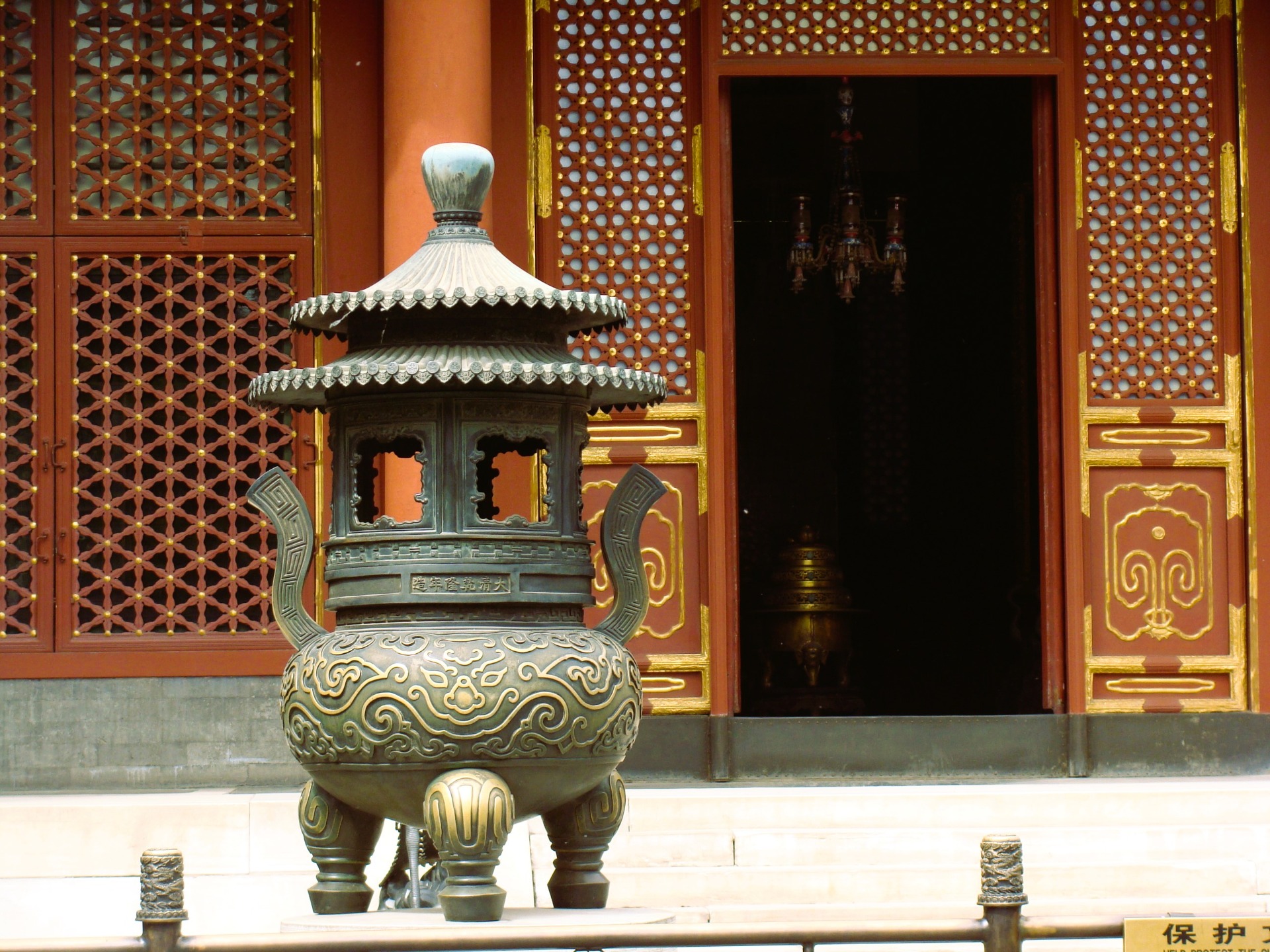
Geopolitics is haunted by similar presences.
They, too, move in straight lines; rigid narratives, fixed alliances, absolute truths. They appear at summits and negotiations, convinced that power alone guarantees peace. They also lack knees; no patience for compromise, no inclination toward understanding.
In a multipolar world, peace cannot be achieved by marching straight ahead. It requires detours, dialogue, and the willingness to bend. The principles of the UN Charter point precisely in this direction; toward restraint, mutual recognition, and genuine understanding.
May gentle spirits protect us.
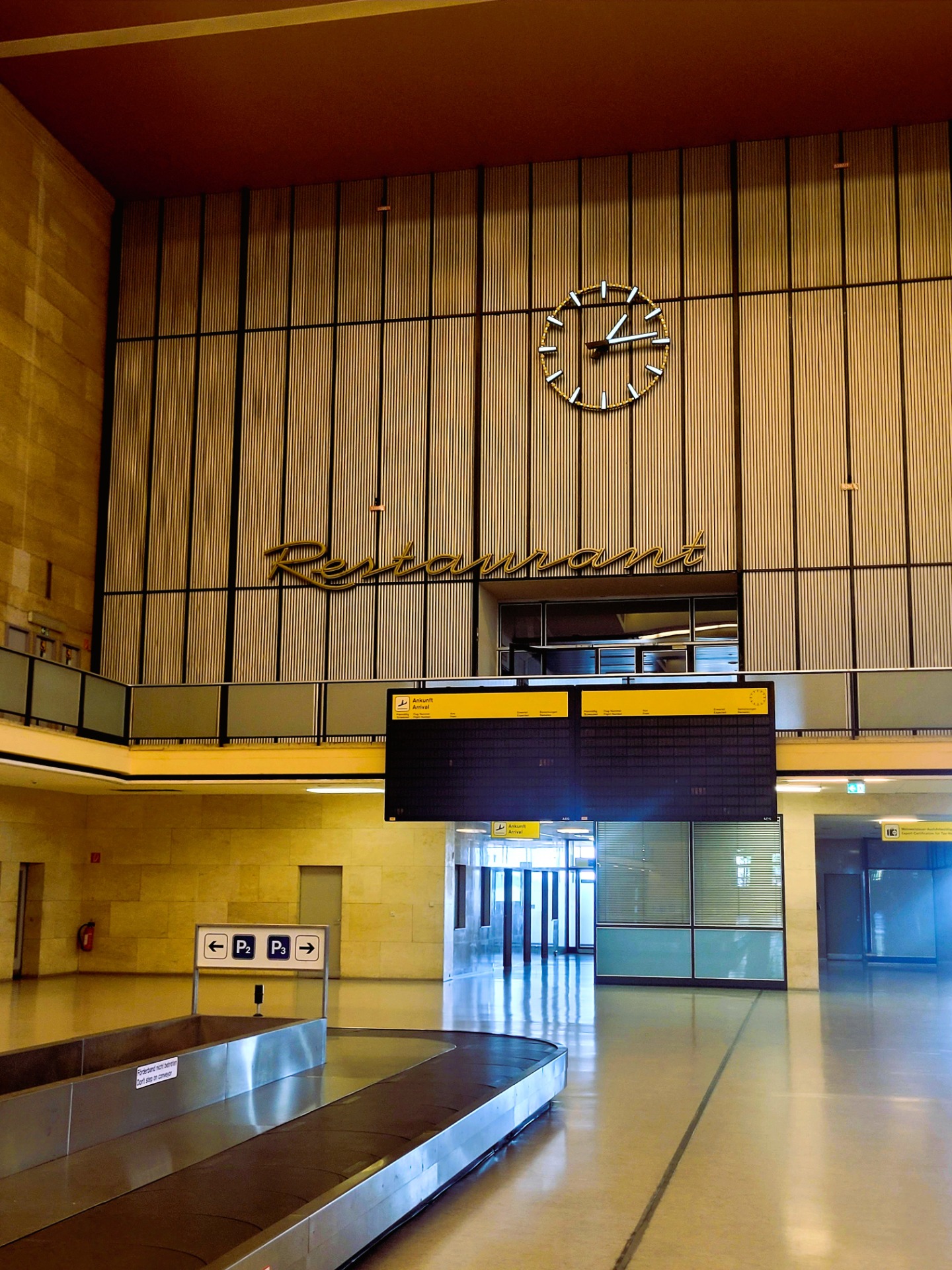
Tempelhof - a Myth
Abandoned, and yet unmistakably alive. Endless corridors; a former "chow hall" of the USAF; towering ceilings; marble. Past and present overlap here. Planned futures, abandoned dreams, and new realities coexist within the same walls.
The legendary departure hall, 120 meters long, feels suspended in time. It seems as though a passenger has only just retrieved a suitcase from the baggage carousel; as if the last guests have merely stepped out of the restaurant, laughing, leaving behind the murmur of voices and the clink of glasses.
Tempelhof whispers constantly. One only has to listen carefully. And before long, one finds oneself immersed in the layered, unsettled, and deeply moving history of this place.
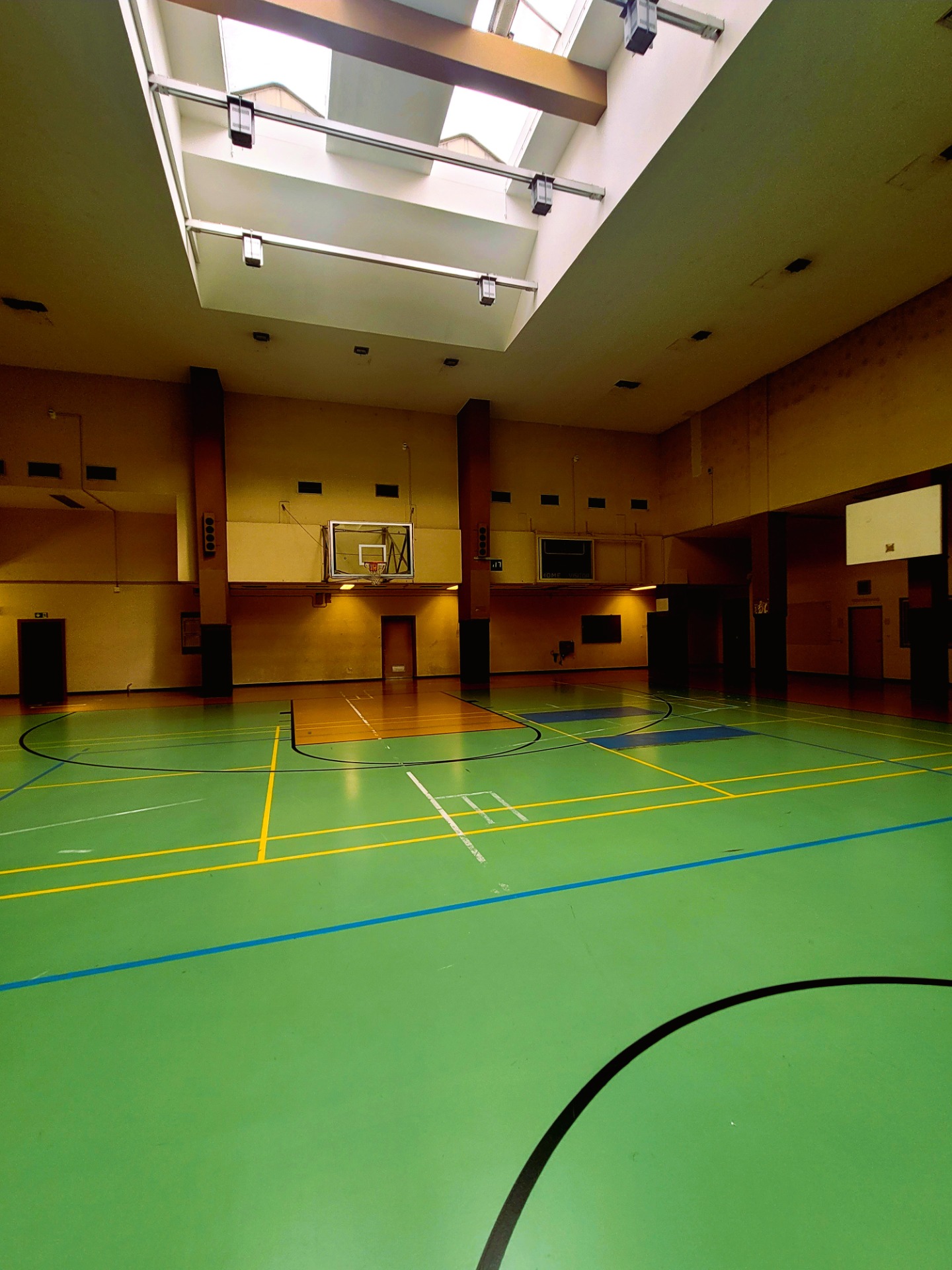
What was once conceived as a grand ballroom never came to be. Instead, the space was repurposed as a sports field for the US Airforce, the “Berlin Braves.” Tempelhof was a kind of US city for the American soldiers stationed in Berlin, complete with shopping facilities, a hairdresser, and a kindergarten. A self-contained American world within the formerly divided city.
And then my imagination takes over. In the long corridors, my mind drifts. Suddenly, the image of the twins from "The Shining" appears, standing still, whispering: “Come and play with us.”
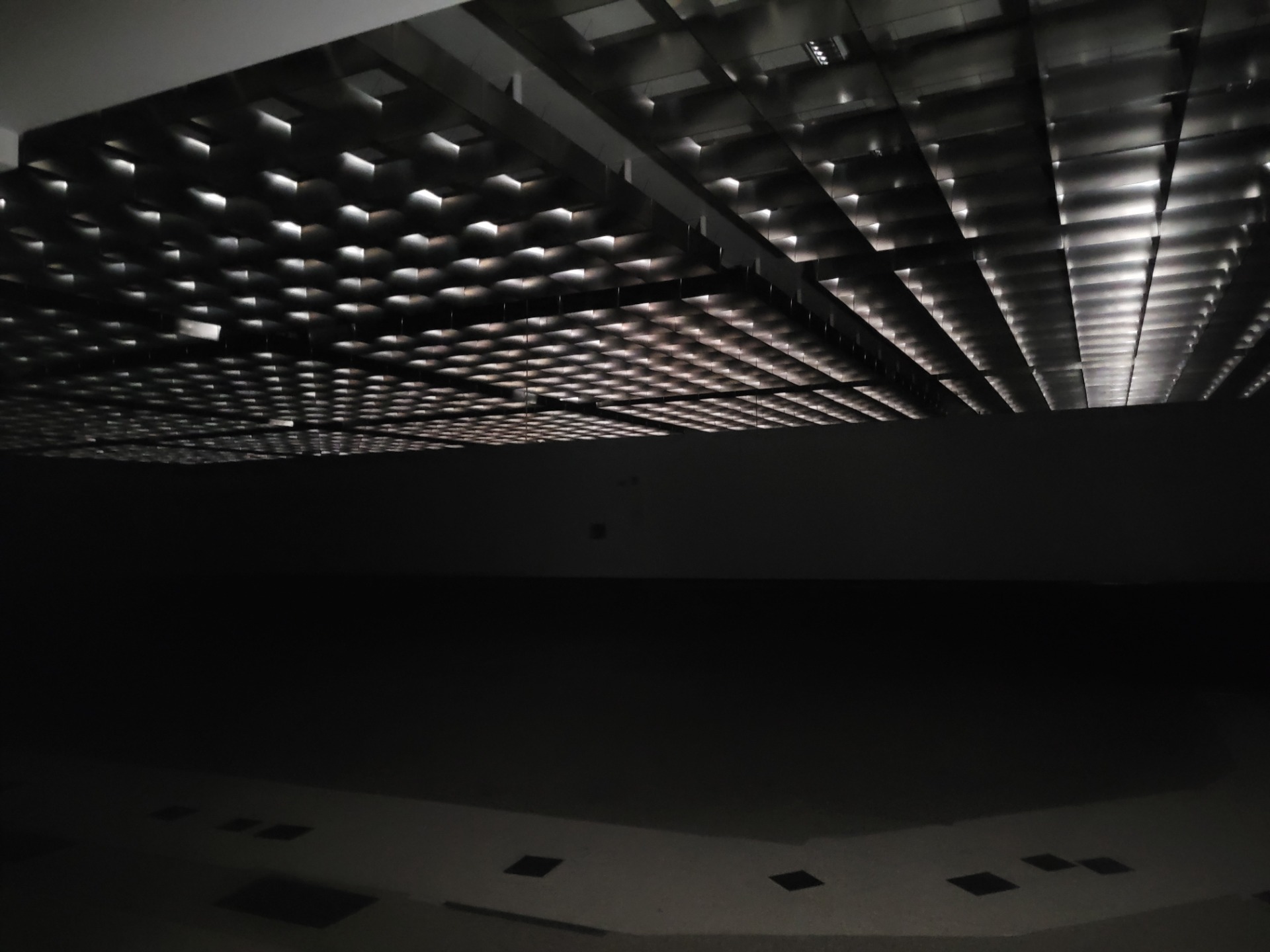
Tempelhof and the Quiet Continuity of a Myth
After reunification, confusion prevailed. Tempelhof reflected the end of an era.
From 1949 to 1990, the Berlin Air Route Traffic Center of the three Western Allies, the United States, Great Britain, and France, secured the 3 air corridors between West Berlin and West Germany.
These corridors functioned as the lifeline to West Berlin, as an airborne bridge, ensuring access, supply, and uninterrupted communication with West Germany. Today, the Air Route Traffic Center is empty, as are the former apartments of US soldiers. No one knows where all went.
Structures remained; the narrative shifted, but the myth endured.
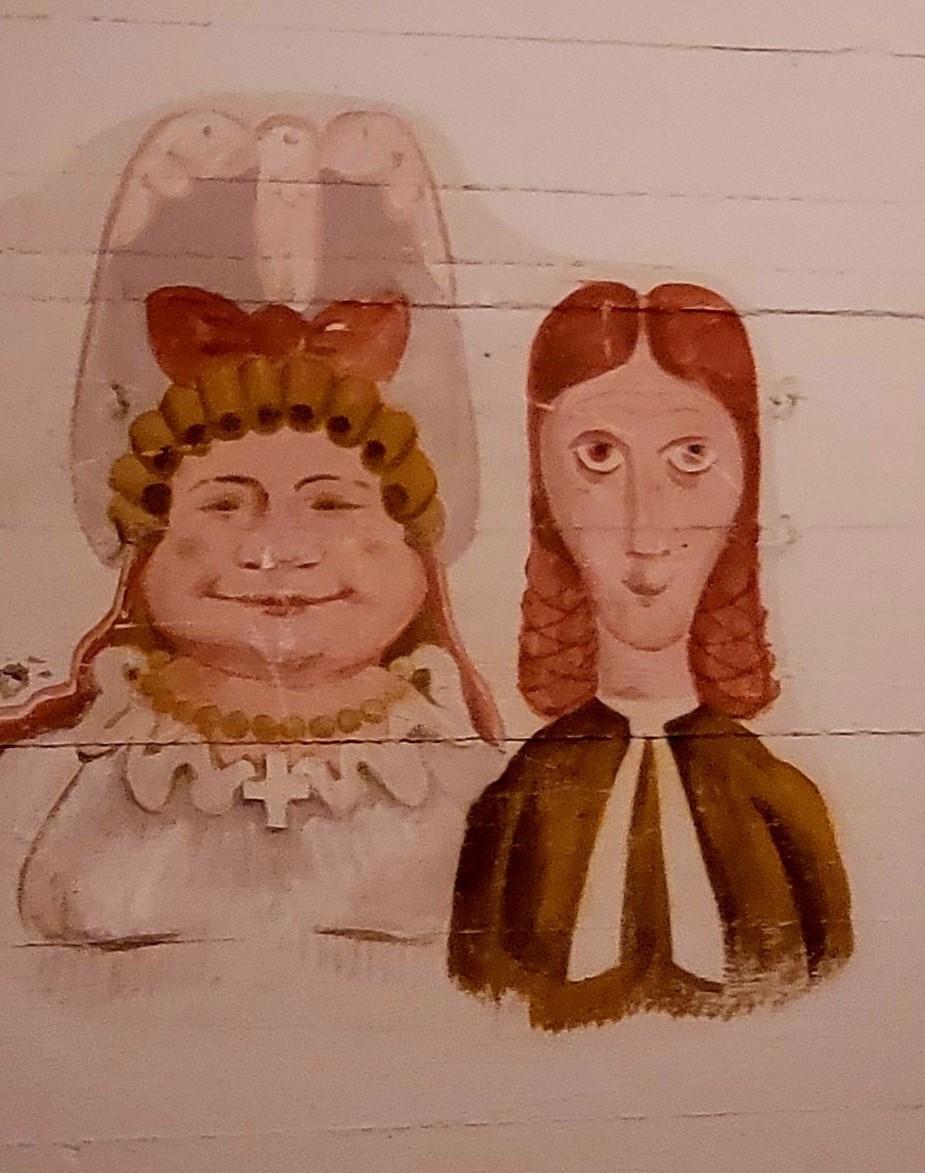
"Petrine und Pauline werden diese zwo benannt"
Even Petrine and Pauline seem at a loss. They, too, cannot say where everything disappeared to.
Below Tempelhof Airport, the underground shelters reveal another layer of history, a human story. During air raids, civilians sought protection here. On the walls, a highly talented and perceptive artist left drawings inspired by Wilhelm Busch. They offered moments of encouragement and mental distance from fear and uncertainty.
Even in its simplest manifestations, culture is a stabilizing element. It offers comfort in times of fear; It counterbalanced the harsh realities of war.
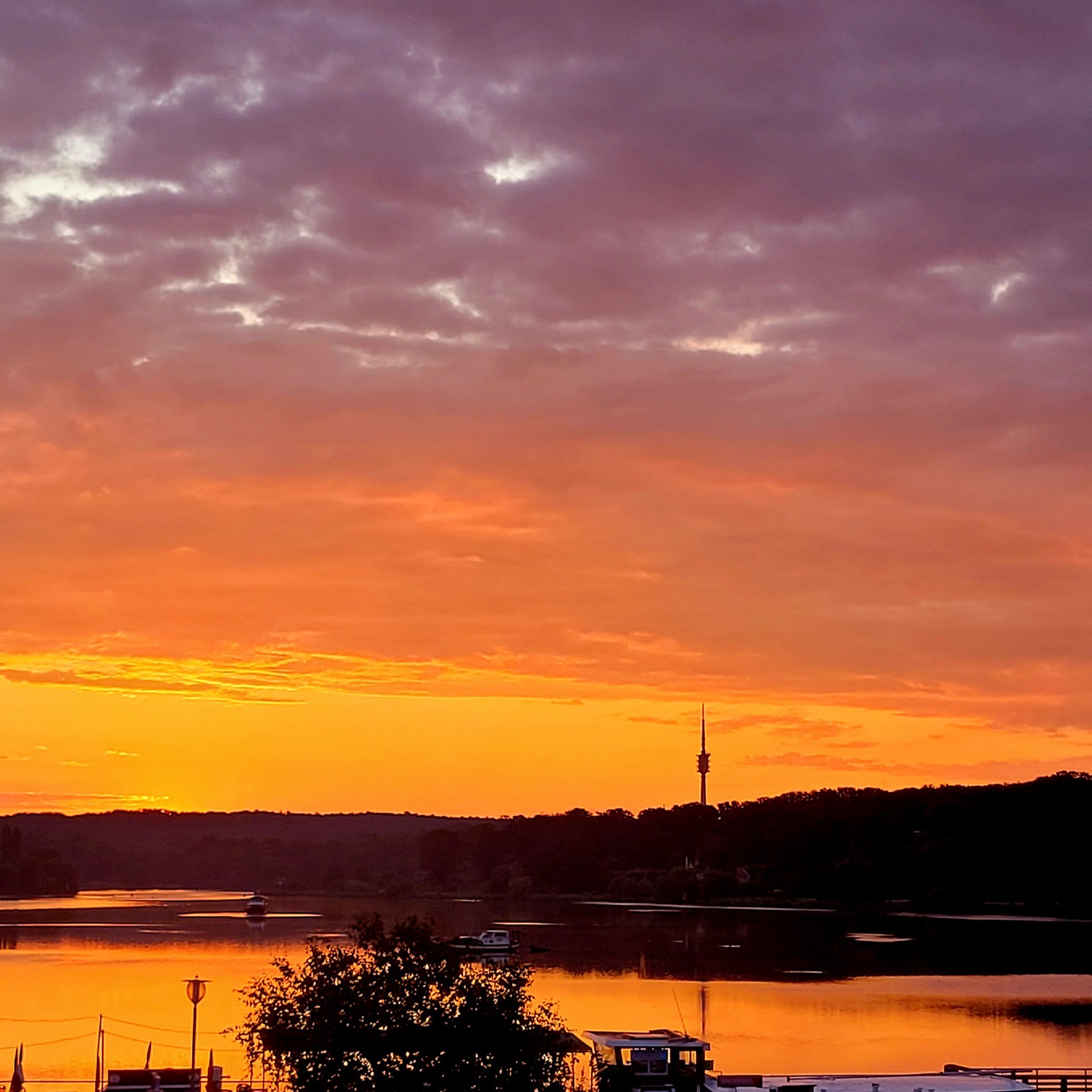
One of the most beautiful views of the radio tower on the Wannsee Island can be enjoyed from Schiffbauergasse in Potsdam. Especially at dawn, the tower glows in a sea of colors ranging from purple to yellow and orange. When it first went into operation in 1964, the radio tower served to set up microwave links to West Germany across the former territory of the GDR. Today, it secures our mobile communications and houses transmitting stations, for both analog and digital radio broadcasting.
So, let us stay tuned to the signals reaching us from around the world.